
-
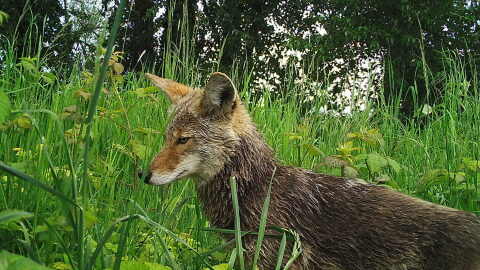 Fletcher Moore/University of WashingtonUniversity of Washington researchers found that coyote density in Seattle was nine times higher than in the wild.
 -
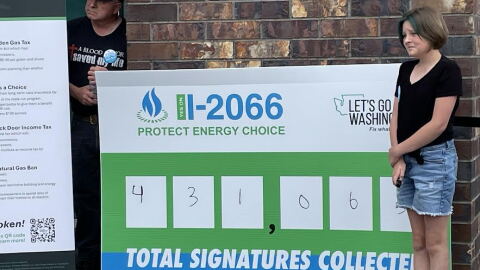 Jerry Cornfield/Washington State StandardJustices, in a 6-3 decision, found Initiative 2066 unconstitutional because it dealt with multiple unrelated subjects.


-
 A reorganization of the U.S. Forest Service and threats to federal funding could affect ongoing research in the Pacific Northwest.
 -
 Washington state officials say “deteriorating conditions” surrounding huge amounts of hazardous chemicals pose an unacceptable threat to the community and the environment.
 -
 Most evacuees have been allowed to return to their homes near burn zones in Spokane, despite concerns about lingering toxins.
 -
 The expenses will be split among local, state and federal agencies. The $207 million includes firefighting costs, such as crews and aircraft, and does not include disaster recovery expenses.
 -
 When foxtail grass dries out in the summer, barbed seeds fall off. This can spell trouble for animals who get the seeds caught in their fur or inhale them.
 -
 For one family turning to Spanish-language resources, the days are too busy to dwell. At night, reality sinks in.
 -
 The marine conservation organization ORCA is collecting data on whale and dolphin vessel encounters amid ongoing efforts to reduce whale strikes from big ships.
 -
 In a narrow vote, the Seattle City Council opted to reign in peoples' ability to challenge zoning and land use decisions.
 -
 As emergency responders in Spokane, Wash., take stock of the damage from devastating wildfires, there's a prevailing sense the disaster could have been far worse.
 -
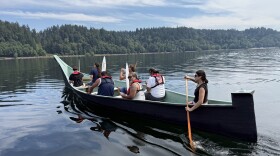 Tribal families from around the Northwest paddled to Nisqually for this year's canoe journey. “It teaches a lot of our youth that we still have culture,” said youth skipper Aliya Choke.


