

Nate Sanford
Murrow News FellowNate Sanford is a reporter for KNKX and Cascade PBS. He covers policy and political power dynamics with an emphasis on the issues facing young adults in Washington. His position is supported by the Washington State University Murrow News Fellowship.
Sanford studied journalism at Western Washington University and previously worked for the Inlander, an alternative weekly newspaper in Spokane. In his free time, he plays guitar and runs.
Get in touch at nsanford@knkx.org.
-
The Seattle City Council has passed a package of new laws aiming to reduce the number of people living in RVs. They require permits for people who want to park overnight.
-
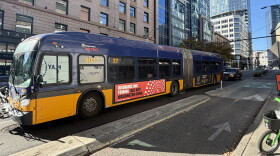 Proposition 1 would replace the expiring transit measure passed by Seattle voters in 2020. It would double the expiring sales tax, raising about $138 million annually.
-
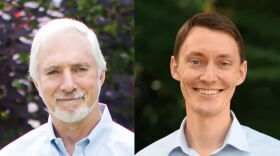 Two Democrats are vying for northeast Seattle’s state House seat in the 46th Legislative District, which includes Green Lake, Roosevelt, Wedgwood and the University District.
-
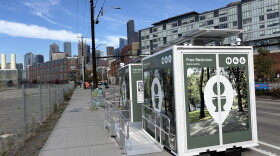 Seattle Mayor Katie Wilson’s new budget calls for spending $1.4 million annually to place 10 high-tech, modular public restrooms in busy areas across the city.
-
 A November ballot initiative to increase renter protections in Tacoma is drawing big outside spending — and attention from Seattle Mayor Katie Wilson.
-
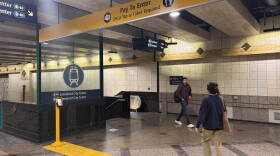 The public transit agency is planning to retrofit 14 of its busiest light rail stations with fare gates to make sure people pay before getting on the train.
-
 The Seattle City Council voted on Tuesday to adopt civil rights protections for people who are polyamorous or in other nontraditional relationships.
-
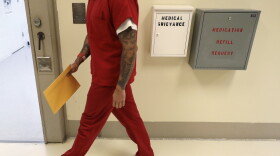 Several Washington jurisdictions, including Renton, SeaTac, Tukwila, Seattle and King County, have passed similar detention center moratoriums this year.
-
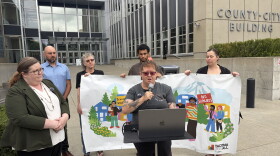 Tenant Melody Frazier alleged in a lawsuit that the property owner has repeatedly broken the law with unlawful rent hikes, hazardous living conditions and retaliation.
-
 The policy will allow people to obtain a permit to stay in cars parked at private residences or the parking lots of faith-based organizations.


